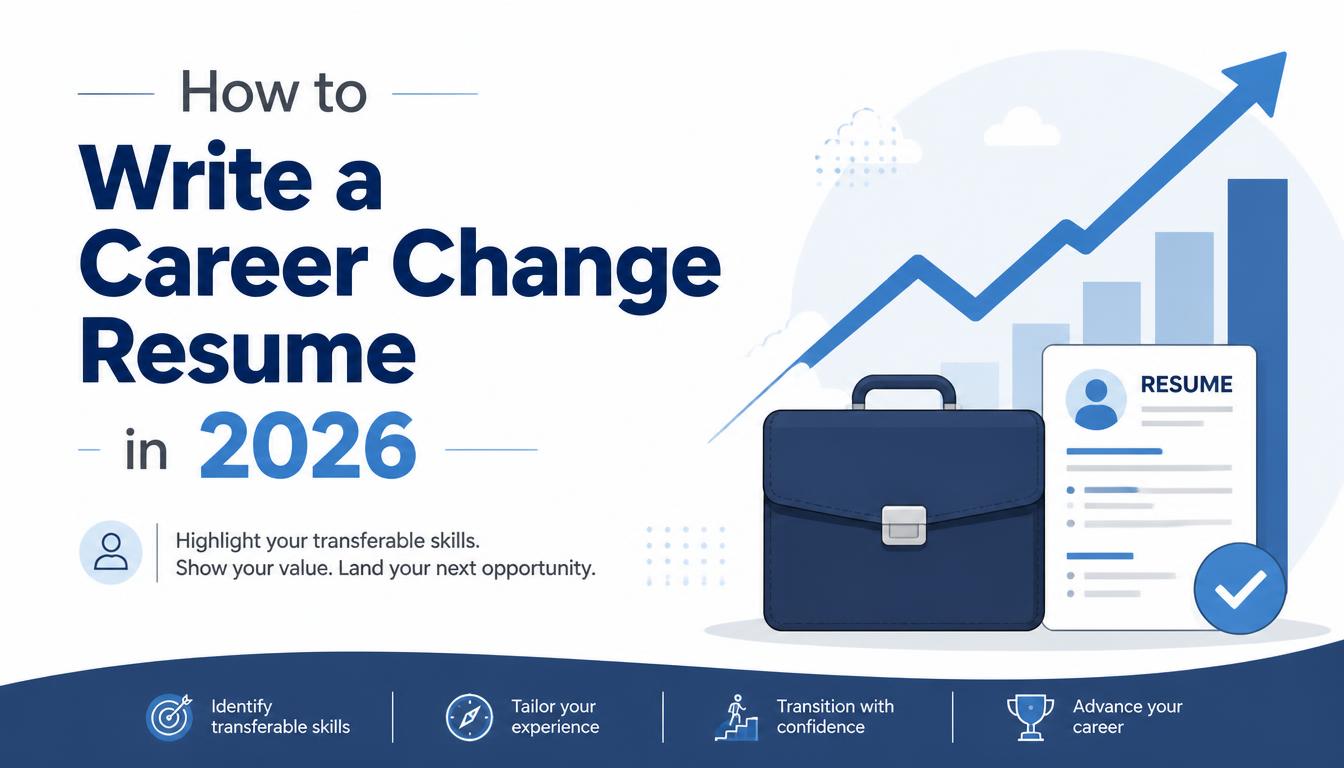
Switching careers can feel like stepping into uncharted territory, but with the right resume, you can make a seamless transition. In 2026, crafting a resume that tells the story of your career evolution is crucial for standing out. Whether you're moving from marketing to IT or from finance to education, a well-tailored resume can highlight your transferable skills and demonstrate your readiness for the new path.
Understanding the Career Change Resume
Before diving into the writing process, it's essential to understand what sets a career change resume apart. Unlike traditional resumes, this type focuses heavily on skills and experiences that can transfer across industries. It's about drawing connections between what you've done and what you aim to do.
Spotlight on Transferable Skills
Transferable skills are your bridge between old and new career paths. These might include:
- Project Management: Leading projects in marketing can translate to organizing tasks in IT.
- Communication: Articulating ideas clearly is invaluable in any role, from sales to teaching.
- Problem Solving: Critical thinking used in engineering can be applied to financial analysis.
Identifying these skills is key. Use Jobportalix's resume builder to explore templates that highlight your strengths effectively.
Step-by-Step: Crafting Your Career Change Resume
1. Rethink the Objective Statement
Your resume objective should reflect your career goals and the value you bring to a new industry. Consider this example:
- Weak: "Seeking a challenging role in a new industry."
- Strong: "Aspiring IT specialist offering five years of project management experience in marketing, eager to apply problem-solving skills in developing innovative tech solutions."
2. Reorder Content for Impact
Focus on relevant experiences and skills. Structure your resume to lead with:
- Summary: A brief overview of your career aspirations and key skills.
- Skills Section: Highlight transferable skills first.
- Relevant Experience: Detail roles that demonstrate your adaptability and relevant achievements.
3. Tailor Each Application
Every job is unique, so customize your resume for each application. Use keywords from the job description to align your resume with the role you're applying for. Jobportalix's ATS optimization tool can help ensure your resume passes initial screenings.
Common Mistakes to Avoid
- Overloading with Irrelevant Information: Focus on what's pertinent to the new career.
- Neglecting Keywords: Use industry-specific language to match job descriptions.
- Ignoring the Summary Section: This is your chance to make a first impression; don’t skip it.
- Failing to Proofread: Typos can undermine your professionalism.
Best Practices for 2026
- Leverage Online Tools: Platforms like Jobportalix offer resume templates tailored for career changers.
- Network Strategically: Make connections in the new industry through LinkedIn and professional groups.
- Seek Feedback: Have someone from the target industry review your resume.
Real-World Example
Consider Sarah, who transitioned from finance to digital marketing:
| Before | After |
|---|---|
| Managed budgets for corporate clients. | Developed data-driven marketing strategies that increased ROI by 20%. |
| Led a team of analysts. | Coordinated cross-functional teams to launch successful campaigns. |
Sarah's resume transformation involved focusing on data analysis and team leadership, skills valued in marketing.
Frequently Asked Questions
How do I highlight experience unrelated to my new career?
Focus on the skills and achievements that are transferable. Describe accomplishments in a way that shows their relevance to the new field.
Should I include all past jobs?
Only include roles that highlight transferable skills or relevant experiences. Your resume should be concise and focused.
Can I use a functional resume format?
While functional resumes can be useful, a combination format is often more effective as it highlights both skills and chronological work history.
How important is networking in a career change?
Networking is crucial. It opens doors to opportunities and allows you to gain insights into your new industry.
Final Thoughts
Writing a resume for a career change in 2026 involves more than just listing past jobs—it's about telling a cohesive story that connects your experiences to the new path. Utilize tools like Jobportalix for guidance, and stay proactive in learning about your new industry. Embrace the journey with confidence and clarity, and you'll find yourself thriving in the career of your dreams.